Tuesday, 4 June 2024
What The F**k Is Arbutin?
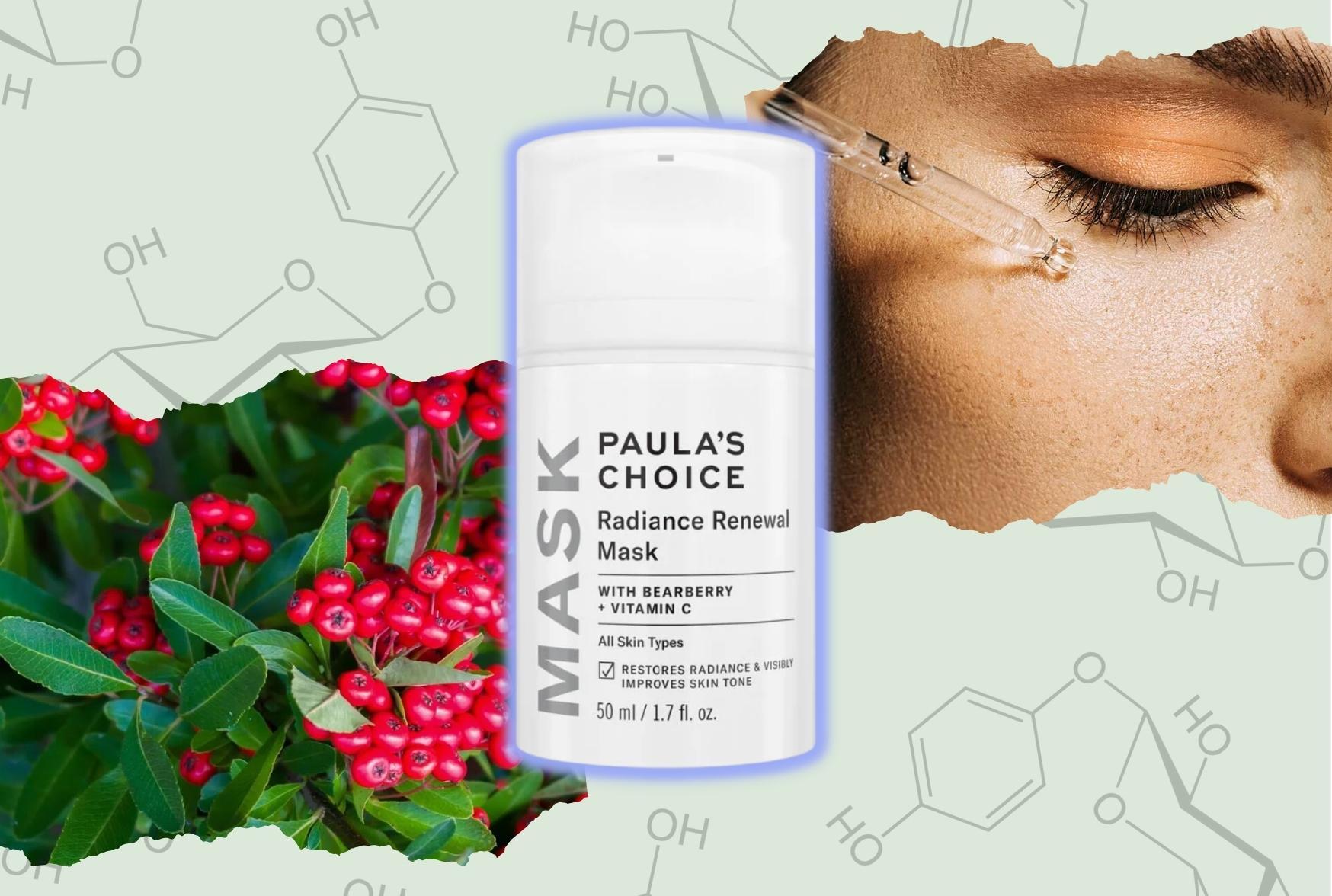
Arbutin is an ingredient on the up and up thanks to its many skincare benefits. It is a compound extracted from bearberry plants, as well as certain fruits like pears and cranberries.
Saturday, 23 September 2023
What The F**k is Glycerin?
Tuesday, 27 June 2023
What The F**k Is Ectoin?
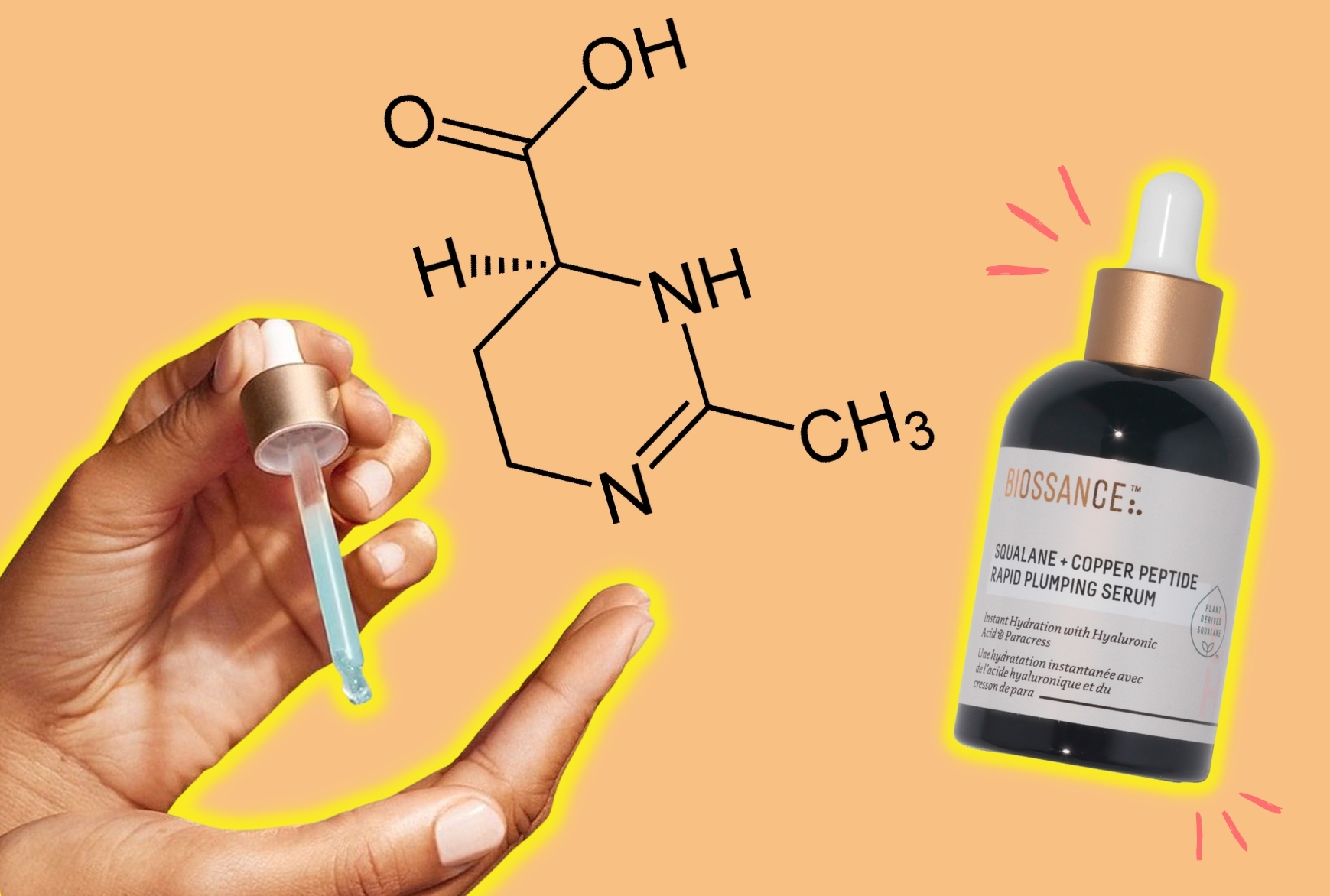
Ectoin is a naturally occurring compound derived from single-cell bacteria that can be found in the unforgiving environments of deserts, salt pans, and hot springs. It is one of the newest buzzwords in beauty due to its many skincare benefits, so I thought I'd give you the lowdown...
Friday, 17 March 2023
Tuesday, 28 February 2023
A Guide To Acids | Part 1
Friday, 24 February 2023
The Skincare Benefits of Avocado Oil
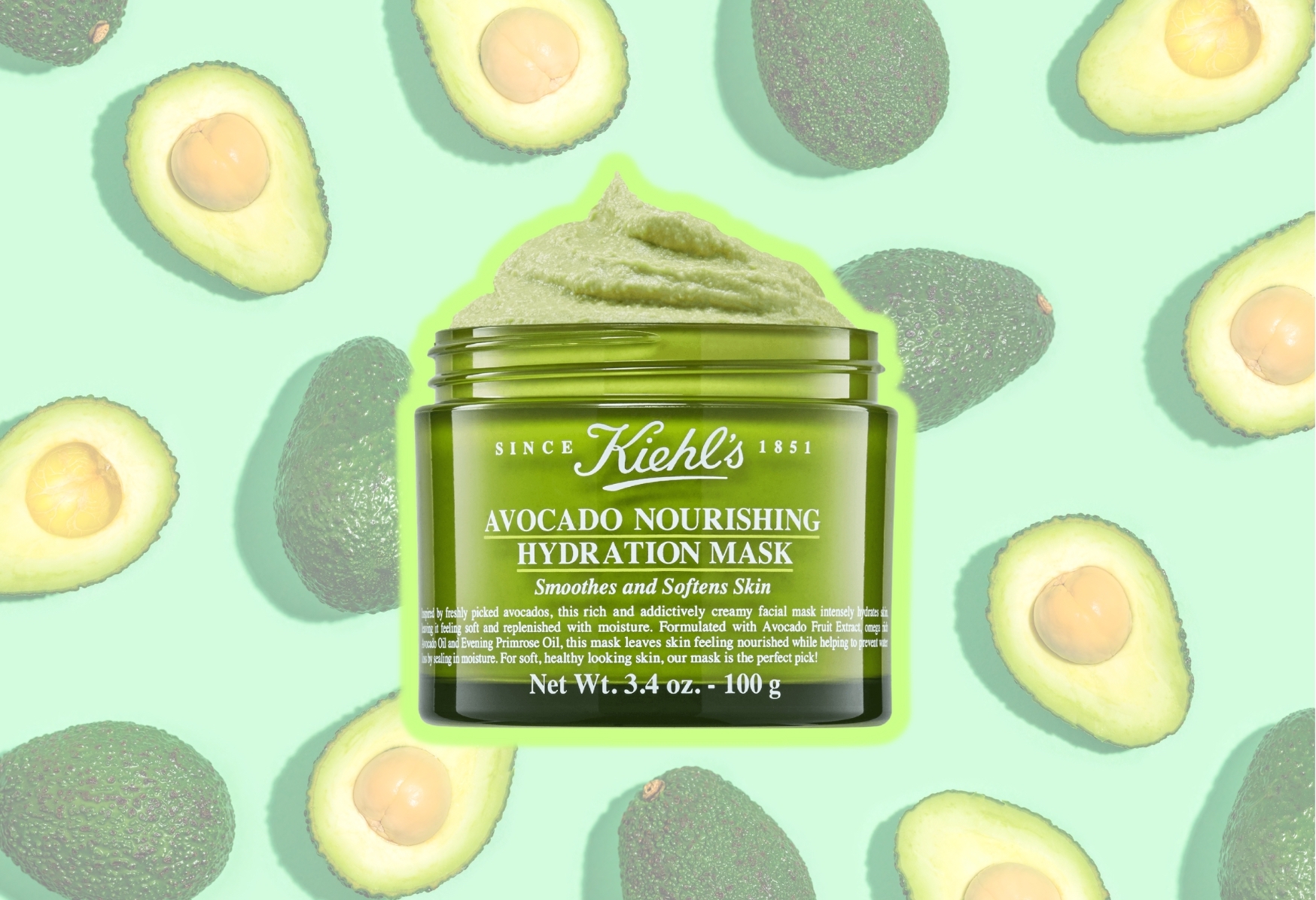
Avocado oil is a nutrient-packed, clinically-proven skin moisturiser and conditioner. It is packed with vitamins A, B1, B2, and D - plus the powerhouse antioxidants vitamin E and chlorophyll, which help mitigate skin damage and unwanted ageing. These antioxidants work together to collect and neutralise free radicals (AKA highly reactive molecules or unstable compounds that can destroy skin cells and DNA, leading to skin damage and unwanted ageing).
Tuesday, 14 June 2022
What The F**k Is Matrixyl?
Matrixyl cleverly mimics the behaviour of matrikines, which are the body’s naturally occurring cell-signalers and regulators. As collagen levels naturally degrade - due to ageing, smoking, excessive sugar consumption, and pollution - matrikines send signals to fibroblasts to produce new collagen and elastin. Synthetic peptides like Matrixyl have been created to mimic these effects, helping support and boost the production of new collagen, elastin, and hyaluronic acid, which all naturally aid in refilling fine lines from within the skin. And the results are pretty impressive - a study by Croda International found that Matrixyl 3000 is able to delay photo-induced ageing by five and a half years in just two months!
Friday, 1 April 2022
What The F*** Is Squalane?
Squalane is a derivative of squalene, a powerful natural substance that is found in olives, rice bran, wheat germ and palm trees. Importantly, squalene is also found naturally in our blood and skin, blessing us with protection and hydration. At birth, about 12% of our skin surface is made of squalene. However sadly its production begins to decline rapidly in our mid-to-late twenties. By 50, squalene production drops below 5%. Squalane is derived from squalene through a process called hydrogenation; this process increases its shelf life and makes it more stable.
Tuesday, 15 October 2019
Venomous Beauty | The Benefits of Syn-Ake
Syn-Ake, also known as dipeptide diaminobutyroyl benzylamide diacetate, is one of the most famous neuromodulating peptides. It replicates the effects of Waglerin-1, a biologically active peptide found in the venom of the Temple Viper, a poisonous snake native to southeast Asia. We call it faux poison.
Thursday, 22 August 2019
Ingredients 101 | Aloe Vera
Aloe vera has been used in herbal medicine since the beginning of the first century, thanks to its healing properties. It is also a popular skincare ingredient - named Aloe Barbadensis Leaf Extract - because it's able to treat a multitude of skin issues, ranging from dry skin to sunburn.
Tuesday, 11 June 2019
Viva La Cica! | The Skin Benefits of Centella Asiatica
Wednesday, 27 February 2019
Got wood!? A skincare ingredient that'll get you going...
Wednesday, 28 February 2018
Ingredients 101: Ferulic Acid
WTF: Ferulic acid is found in the cell walls of plants such as rice, wheat, peanuts, apples and oranges. It is an antixodiant that plays a key role in protecting and preserving plants - it is able to destroy several different types of free radicals, including superoxide, hydroxyl radical and nitric oxide.
Saturday, 20 February 2016
Ingredients 101: Resveratrol
WTF: Resveratrol is a plant compound found in red grape skin, peanuts, Japanese knotweed and berries.
Beauty Benefits: It's a shit hot ingredient when used in skincare as it has antioxidant properties that fight free radicals, preventing them damaging the skin and causing premature aging (wrinkles, pigmentation, sagging...all that nasty shit). Resveratrol also stimulates healthy cell reproduction and collagen synthesis, leaving skin firm and as youthful as possible.
Friday, 23 October 2015
Ingredients: Lemon
Location: Lemon trees are native to Asia, however they are now cultivated all over the world, from the United States and China, to Mexico and Italy.
Beauty Benefits: Lemon is often found in beauty products because it is rich in vitamins, minerals and antioxidants that improve our skin, hair and nails. The hero ingredient is most famous for its exfoliation properties. As with many citrus fruits, lemons contain alpha hydroxy acids that gently remove dead skin cells (stimulating surface skin cell renewal) and treat pigmentation. Lemons also have astringent, anti-bacterial and anti-fungal properties that deeply clean the skin and remove excess oil, without stripping the skin. For these reasons, lemons are a great ingredient for fighting acne and blackheads.
Monday, 14 September 2015
Ingredients 101: Quinoa
Quinoa is praised for the great number of health benefits it provides, however what makes this South American ingredient really special is its beauty benefits...
Natural or Synthetic: Natural
Origin: Quinoa (pronounced keen-wah) is a species of the goosefoot genus, a grain crop grown primarily for its edible seeds.
Location: Quinoa was first discovered around Lake Titicaca in Peru and Bolivia. However it is now cultivated all over the world, mainly in Peru, Bolivia, Ecuador, Colombia, Argentina and North America.
Beauty Benefits: Quinoa is a perfect haircare ingredient as it contains around 15% of proteins, making it one of the most protein-rich grains in the world. The hydrolyzed protein extracted from quinoa acts as a natural coating on the hair, protecting and nourishing the hair follicles and sealing split ends.
Saturday, 8 August 2015
Ingredients 101: Seaweed Extract
As unpleasant as it looks and smells, seaweed packs some seriously amazing hair benefits. It works such wonders on the hair, that it's about time I explored this sea-based saviour!
Natural or Synthetic: Natural
Origin: Seaweed is a multicellular marine algae that lives near the seabed. It can belong to one of several groups of multicellular algae: green algae, brown algae or red algae.
Location: Seaweeds are found throughout the world's oceans. However, when it comes to commercial cultivation, Indonesia and the Philippines produce most of the world's seaweed.
Saturday, 13 June 2015
Ingredients 101: Liquorice Root Extract
Natural or Synthetic: Natural
Origin: Liquorice Root Extract is sourced from liquorice, the root of the Glycyrrhiza Glabra plant.
Location: Liquorice is produced in a variety of countries including Iran, China, Pakistan, Iraq, Azerbaijan, Uzbekistan and Turkey.
Beauty Benefits: Liquorice root extract has been used for its medicinal benefits for hundreds of years; as far back as ancient China! It is one of the few natural ingredients that has been scientifically proven to provide health benefits.
Liquorice root extract contains powerful anti-inflammatory properties and it's effective at controlling redness and flushing. The popular ingredient has also been known to lighten skin and fade dark spots and blemishes.
Liquorice root extract is also the perfect anti-ager, as it is packed with powerful antioxidants that speed up skin cell regeneration, promote skin elasticity and fight the free-radicals that cause early skin-ageing.
Warnings: Liquorice root extract ingredients are safe to use topically.
Found in: The Kiehl's Clearly Corrective Dark Circle Perfector SPF30 15ml (£29.00 John Lewis / $38.00 kiehls.com). This makeup and skincare hybrid is a dark-circle diminishing demon! It is a lightweight, tinted eye cream that has a very thin consistency. Due to its SPF and tint, the Dark Circle Perfector works like a BB cream for the eye area, helping to moisturise, conceal, protect and prime! It absorbs quickly and creates the perfect base for further concealer application. I suffer from the worse dark circles and no concealer hides them completely; however, using this product underneath my concealer does the trick!
Saturday, 6 June 2015
Ingredients 101: Cupuacu Seed Butter
Natural or Synthetic: Natural
Origin: Cupuacu seed butter is extracted from the fruit seed of the Cupuacu tree (pronounced 'coo-poo-wa-soo')
Location: The Cupuacu tree is cultivated in the jungles of Colombia, Bolivia and Peru and in the north of Brazil.
Beauty Benefits: Cupuacu seed butter is high in essential fatty acids and phytosterols and this - added to the fact that it has a naturally high water absorption capacity - makes capuacu ideal for dry and damaged skin. The ingredient is similar to, and is often compared with, Cocoa Butter, however it has a much creamier consistency. CupuaƧu seed butter is also rich in antioxidants, including vitamins C, A, and B, amino acids and minerals, such as calcium and selenium. It also provides a natural protection from UVA and UVB rays.
Sunday, 10 May 2015
Ingredients 101: Kiwi Seed Oil
Natural or Synthetic: Natural
Origin: Kiwi seed oil is a natural protease enzyme that is extracted from a kiwi fruit (aka Chinese gooseberry); an edible berry. The kiwi fruit was organically name the Chinese gooseberry (and still is!). However when New Zealand began commercially cultivating the fruit, the country changed its name to 'kiwi fruit' after its national bird.
Location: The kiwi fruit is native to the Chang Kiang Valley in China and is recognised as the national fruit of China. However, kiwi fruit is now cultivated all over the world, mainly in New Zealand, Italy and Chile.
Beauty Benefits: Kiwi seed oil contains high amounts of vitamin E, vitamin C and omega-3 fatty acids. So kiwi seed oil keeps skin healthy and deeply moisturised and helps to boost collagen production. Being packed with antioxidants, kiwi seed oil is also able to fight free radicals that lead to premature ageing (pigmentation, fine lines and wrinkles). The wonder ingredient also contains natural AHAs (alpha-hydroxy acids), which are a group of natural acids used topically to moisturise the skin, as well as exfoliate the skin. AHAs are very effective at treating oily or congested skin, acne, wrinkles and pigmentation.
Because of its many benefits, kiwi seed oil is the perfect skincare ingredient for those with mature skin, dry skin, acne and certain skin conditions (such as eczema and psoriasis).
Warnings: Kiwi seed oil is considered safe to use topically
Found in: The Antipodes Worship Superfruit Antioxidant Serum 30ml (£33.99 cosnatural.co.uk). This water-based serum is packed with kiwi seed oil, as well as boysenberry, blackcurrant and the unique antioxidant-rich ingredients, Vinanza Oxifend Plus and Vinanza Grape. Its main purpose is to protect the skin from free radical damage, keeping it healthy and youthful. I absolutely love it! It leaves my skin soft, hydrated and problem-free. Oh, and it smells absolutely amazing!
©
The Beauty Informer. All rights reserved.